Macarons are delicate by design. Their thin shells and creamy fillings make them taste amazing, but they also make them easy to ruin. The right storage can mean the difference between a treat that melts in your mouth and one that crumbles into a dry mess.
In this guide, you’ll learn exactly how to store macarons at room temperature, in the fridge, and in the freezer. You’ll discover the best containers, how to prevent moisture damage, how to thaw and serve them, and how to transport them without cracks. We’ll also bust common storage myths and share tips for bakeries and gift orders. Let’s keep your macarons fresh.
What Are Macarons, and Why Does Storage Matter?
Before we talk storage, let’s quickly cover what makes macarons so special. A French macaron is a small sandwich cookie made from almond flour, egg whites, and sugar. Two crisp-yet-chewy shells hug a soft filling like buttercream, ganache, or jam.
That delicate structure is the whole point. A great macaron has a thin shell that gives a gentle snap, then a tender, slightly moist center. The filling adds flavor and keeps the inside soft.
Here’s the catch: that perfect texture is fragile. Shells absorb moisture from the air and turn soft. Fillings dry out, melt, or go stale. Strong smells from your fridge can seep into them. Poor storage undoes all the careful work that went into making them.
The bottom line: Macarons are built for taste, not toughness. Proper storage protects their texture, flavor, and beauty so every bite stays as good as the first.
How Shells and Fillings Affect Shelf Life
Not all macarons last the same amount of time. The biggest factor is the filling. Understanding this helps you plan how long you can keep them.
Shells on Their Own
Plain, unfilled shells are surprisingly sturdy. With no moisture inside them, they resist going stale for longer. You can bake shells ahead of time and store them separately until you’re ready to fill.
Unfilled shells keep well at room temperature for a few days in a sealed container. They also freeze beautifully for weeks, which is great for planning ahead.
Fillings Change Everything
The filling decides the real shelf life of a finished macaron. Some fillings are stable, while others spoil quickly.
- Buttercream and ganache are stable and last well, since sugar and fat help preserve them.
- Fruit jams and curds add lots of moisture and can shorten shelf life.
- Cream cheese or fresh dairy fillings spoil fastest and must stay chilled.
A filled macaron also slowly softens over time as moisture moves from the filling into the shells. This is why a one-day rest improves them, but a week-long wait at room temperature ruins them.
The bottom line: Stable fillings like ganache and buttercream last longest. Fresh, fruity, or dairy-heavy fillings need cold storage and faster eating.
Why Proper Storage Matters So Much
It’s easy to toss macarons on a plate and forget them. But these cookies reward a little care with a much better experience.
Good storage keeps the shells crisp on the outside and chewy inside. It protects the filling from drying out or melting. It also shields the colors from fading and stops the cookies from picking up off-flavors.
There’s a money side, too. Macarons are expensive to buy and time-consuming to make. Storing them well means you don’t waste a single one. For bakeries and gift-givers, smart storage protects both reputation and profit.
The bottom line: A few minutes of proper storage saves your macarons from going to waste and keeps every bite worth it.
Storage Methods and Shelf Life at a Glance
Different situations call for different storage. Here’s a quick reference to help you choose the right method.
| Storage Method | How Long | Best For |
| Room temperature | 1–2 days | Eating soon, short-term display |
| Refrigerator | 3–7 days | Filled macarons, most everyday storage |
| Freezer (filled) | Up to 1 month | Make-ahead batches, bulk storage |
| Freezer (unfilled shells) | Up to 1 month | Baking ahead, planning gifts |
Keep in mind these are general guides. Fillings with fresh fruit or dairy lean toward the shorter end of each range.
The bottom line: Match the method to your timeline. Eat soon? Room temp. Within a week? Fridge. Planning ahead? Freezer.
How to Store Macarons at Room Temperature
Room temperature works only for the short term, but it’s perfect when you plan to enjoy your macarons within a day or two.
The Right Way to Do It
Place your macarons in an airtight container. This keeps humid air out and locks freshness in. Line the bottom with parchment paper to protect the delicate shells.
Keep the container somewhere cool and dry, away from direct sunlight, ovens, and windows. Heat softens shells and can melt buttercream or ganache fillings.
When Room Temperature Is a Bad Idea
Skip room temperature storage in hot or humid climates. Moisture in the air is the enemy of crisp shells. If your kitchen feels sticky, head straight to the fridge.
Also avoid leaving macarons out if they contain cream cheese, fresh fruit, or dairy-based fillings. These can spoil quickly without refrigeration.
The bottom line: Room temperature is fine for one to two days in a cool, dry, airtight container. When in doubt, refrigerate instead.
How to Store Macarons in the Refrigerator
The fridge is the sweet spot for most macarons. It’s the go-to method for keeping filled cookies fresh for several days.
Step-by-Step Fridge Storage
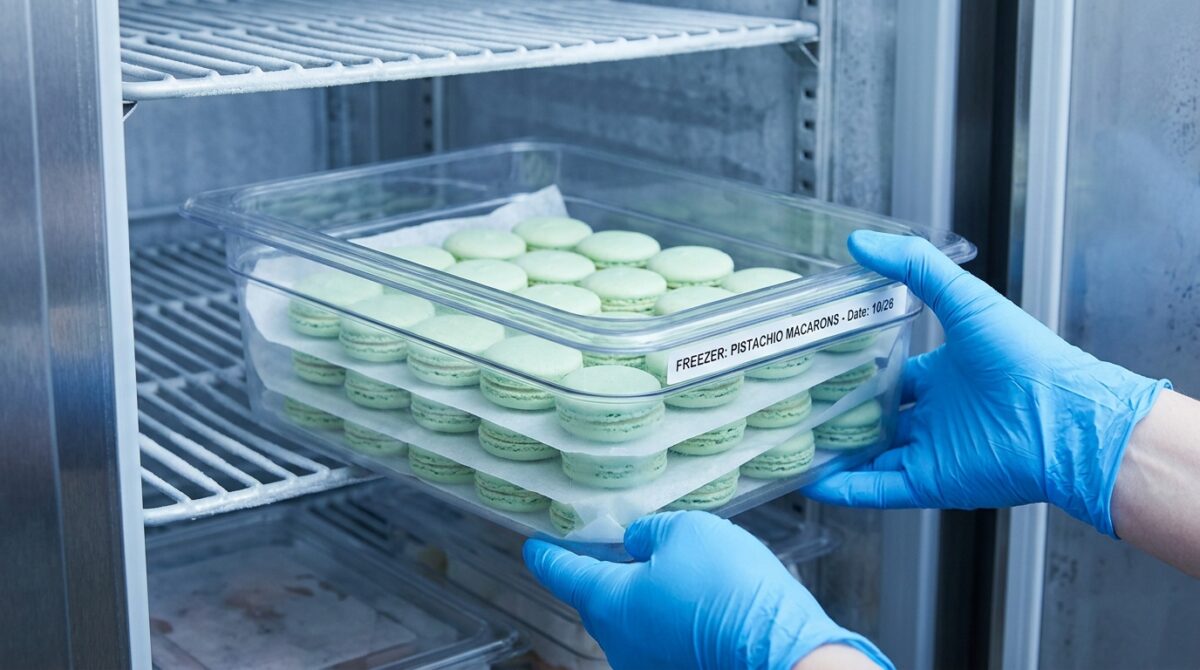
- Let them mature first. Filled macarons taste best after resting 24 hours, which softens the shell to the ideal texture.
- Use an airtight container. This blocks fridge odors and prevents the shells from absorbing moisture.
- Layer with parchment. Place parchment between layers so the macarons don’t stick or smudge.
- Store away from strong-smelling foods. Macarons soak up smells like onions, garlic, and fish easily.
The Most Important Step: Bring Them Back to Room Temperature
Cold macarons taste firm and muted. The flavors hide and the texture feels stiff. Always take them out 20 to 30 minutes before serving.
This rest lets the filling soften and the flavors bloom. It’s the secret that separates a so-so macaron from a wow-worthy one.
The bottom line: The fridge keeps filled macarons fresh for up to a week. Seal them tight, keep them away from smells, and always warm them up before serving.
How to Store Macarons in the Freezer
Good news: macarons freeze remarkably well. Freezing is your best friend for making ahead or saving a big batch.
Freezing Filled Macarons
Filled macarons freeze nicely because the filling protects the shells. Place them in a single layer inside an airtight container, then separate layers with parchment. Seal tightly to prevent freezer burn.
For extra protection, wrap the container or use a second sealed bag. Air and moisture are what cause freezer damage, so the goal is to block both.
Freezing Unfilled Shells
Unfilled shells freeze even more easily. Stack them carefully in an airtight container with parchment between layers. When you’re ready, thaw them and fill them fresh.
This trick is a favorite among bakers. You can bake shells during a free afternoon, freeze them, and assemble fresh macarons whenever you need them.
What Not to Freeze
Some fillings don’t freeze well. Fresh fruit fillings can turn watery, and certain custards may separate. Stick to ganache and buttercream for the best freezer results.
The bottom line: Freeze filled or unfilled macarons in airtight, layered containers for up to a month. Choose stable fillings for the best texture after thawing.
Room Temperature vs. Refrigerator vs. Freezer
Still unsure which method fits your situation? This side-by-side comparison makes the choice clear.
| Factor | Room Temperature | Refrigerator | Freezer |
| Shelf life | 1–2 days | 3–7 days | Up to 1 month |
| Best for | Eating soon | Everyday storage | Make-ahead, bulk |
| Texture impact | Stays close to fresh | Slight softening | Excellent if sealed |
| Risk | Heat, humidity | Odor, moisture | Freezer burn |
| Serving prep | Ready to eat | Warm 20–30 min | Thaw, then warm |
The bottom line: Choose based on how soon you’ll eat them and how well your fillings hold up. The freezer offers the longest life with the least quality loss.
The Best Containers for Storing Macarons
The container you choose has a huge impact on freshness. The wrong one lets in moisture, odors, and air.
What to Look For
- Airtight seal: This is non-negotiable. A tight lid keeps humidity and smells away.
- Rigid sides: Hard containers protect fragile shells from cracking.
- Right size: Choose a size that fits your batch snugly so they don’t slide around.
- Parchment-friendly: Flat surfaces make it easy to layer with parchment.
Containers to Avoid
Skip loose plastic wrap and open plates, which expose macarons to air. Avoid containers with weak lids that pop open. And never store warm macarons in a sealed box, since trapped steam creates moisture that ruins shells.
The bottom line: Use a rigid, airtight container with parchment layers. The seal protects flavor and texture better than anything else.
How to Prevent Moisture Damage
Moisture is the number one enemy of a great macaron. It turns crisp shells soft and sticky, and it can make fillings weep.
Practical Moisture-Busting Tips
- Cool macarons completely before storing. Warm cookies release steam.
- Use airtight containers every time, no exceptions.
- Add a paper towel or parchment layer to absorb stray moisture in humid weather.
- Don’t store near the freezer door or fridge vents, where temperature swings cause condensation.
- Avoid opening the container often, since each opening lets in humid air.
Why This Matters
Even a small amount of moisture changes the texture. Shells lose their snap, feet go soggy, and the cookie feels chewy in the wrong way. Controlling moisture is the single biggest thing you can do to keep macarons perfect.
The bottom line: Keep moisture out by cooling fully, sealing tightly, and limiting how often you open the container.
How to Thaw and Serve Macarons
Thawing the right way protects all your storage work. Rush it, and condensation forms on the shells and ruins the texture.
The Slow-Thaw Method
- Move from freezer to fridge. Let frozen macarons thaw in the fridge for a few hours or overnight. This gentle change prevents sudden condensation.
- Then move to room temperature. Take them out and let them sit 20 to 30 minutes before serving.
- Keep them in the container while thawing. This stops moisture from settling directly on the shells.
Serving Tips
Serve macarons at room temperature for the best flavor and texture. Arrange them by color for a beautiful display. If you’re serving a variety, offer lighter flavors first, then move to rich ones like chocolate and caramel.
The bottom line: Thaw slowly from freezer to fridge to counter. This keeps shells crisp and brings the filling back to its soft, flavorful best.
How to Transport Macarons Safely
Macarons crack easily on the move. Whether you’re delivering a gift or bringing a box to a party, smart packing keeps them intact.
Packing for Travel
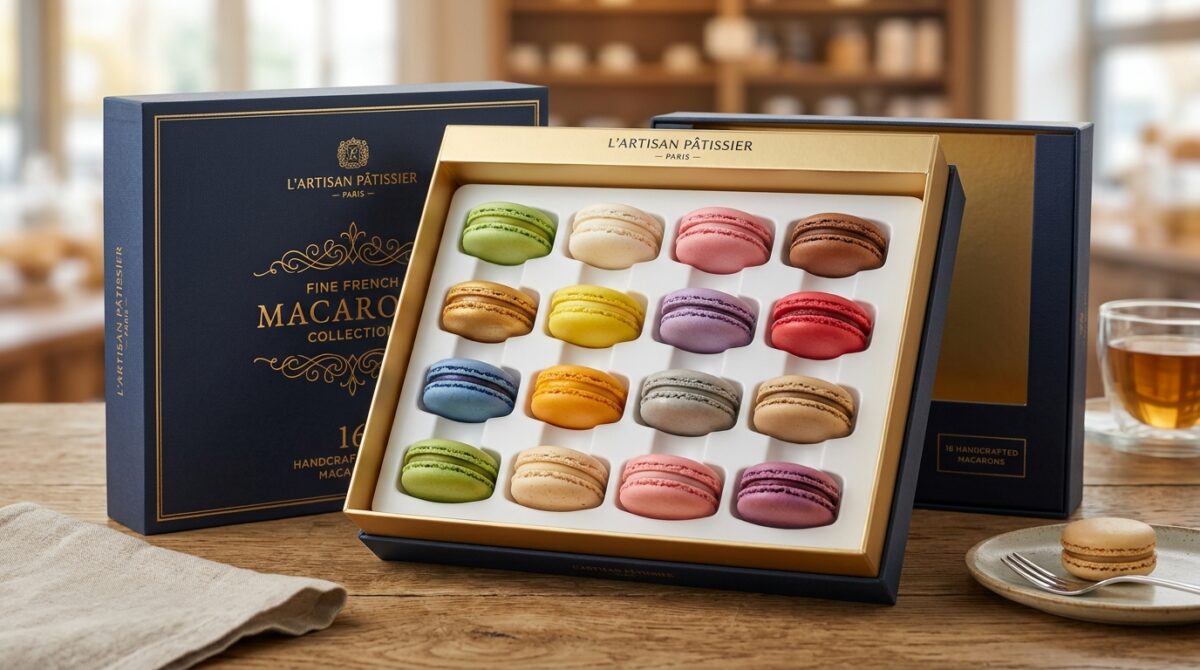
Use a sturdy box with snug compartments or molded inserts that hold each macaron in place. Movement is what causes cracks, so the goal is to stop them from shifting.
Keep the box flat and level during travel. Avoid stacking heavy items on top. In hot weather, use a cooler bag with an ice pack, but keep the macarons away from direct contact with the ice to prevent moisture.
For Longer Journeys
If you’re shipping macarons, insulation and cushioning matter even more. Wrap the inner box, add padding around it, and ship early in the week so packages don’t sit in transit over a weekend.
This is where strong packaging really pays off. Investing in Personalized Macaron Boxes with secure inserts keeps each cookie cradled and protected, so your macarons arrive looking as good as they left.
The bottom line: Hold macarons snug, keep the box level, and add cushioning for long trips. Good packaging prevents cracks and disappointment.
Storage Tips for Bakeries and Gift Orders
If you sell or gift macarons, storage becomes a business matter. Customers expect fresh, beautiful cookies every time.
Plan Around Maturing Time
Bake and fill macarons a day before sale or delivery so they reach peak texture. Build this resting window into your schedule rather than rushing same-day orders.
Store in Batches
Keep filled macarons in labeled, airtight containers in the fridge, sorted by flavor and date. A clear first-in, first-out system prevents older stock from sitting too long.
Packaging Makes the First Impression
For gift orders, presentation is part of the product. Macarons are as much about beauty as taste, so the box matters almost as much as the cookies inside.
Choosing the Best Custom Packaging protects fragile shells during handoff and elevates the whole experience. Sturdy boxes with molded trays keep macarons snug, while branded designs make your business memorable. Thoughtful packaging signals care and quality before the first bite.
The bottom line: Bakeries should plan around maturing time, store by batch with clear dates, and invest in protective, attractive packaging for gifts and orders.
How Packaging Affects Freshness and Presentation
Packaging does double duty for macarons. It keeps them fresh and shows them off, which is why it’s worth getting right.
Freshness Protection
A well-designed box acts as a storage container in its own right. Airtight or snug-fitting boxes block humidity and shield the shells from being crushed. Molded inserts hold each macaron separately so they don’t knock into each other.
Presentation Power
People eat with their eyes first, and macarons are made to impress. A clean, elegant box turns a simple treat into a gift-worthy moment. Color, arrangement, and design all shape how special the cookies feel.
For sellers, packaging is also a branding tool. A beautiful box customers remember opening builds loyalty and word of mouth. The right design tells customers you care about quality from the outside in.
The bottom line: Packaging protects fragile macarons and elevates the experience. It’s part of the product, not an afterthought.
Common Storage Mistakes and Fixes
Even careful people make storage slip-ups. Here are the most common ones and how to fix them.
| Mistake | What Happens | Fix |
| Storing warm macarons | Trapped steam softens shells | Cool completely before sealing |
| Loose or open container | Shells go soft, pick up odors | Use an airtight, rigid box |
| Eating straight from fridge | Flavor tastes muted, texture stiff | Warm 20–30 minutes first |
| Freezing fruity fillings | Filling turns watery | Use ganache or buttercream |
| Thawing too fast | Condensation cracks shells | Thaw in fridge, then counter |
| Storing near smelly foods | Cookies absorb off-flavors | Keep separate and sealed |
| Stacking without parchment | Shells stick and smudge | Layer with parchment paper |
Pro tip: Label your containers with the date and flavor. It takes seconds and saves you from guessing how old a batch is.
The bottom line: Most storage problems come down to heat, air, moisture, or rushing. Fix one habit at a time and your macarons will stay perfect.
Common Macaron Storage Myths
Plenty of bad advice floats around about storing macarons. Let’s clear up the biggest myths.
Myth 1: Macarons Should Be Eaten the Same Day
False. Filled macarons actually taste better after a 24-hour rest in the fridge. The shells soften slightly and the flavors blend together. Same-day macarons can taste dry and crisp in the wrong way.
Myth 2: You Can’t Freeze Macarons
Also false. Macarons freeze beautifully when sealed properly. Many bakeries freeze shells and even filled cookies to manage stock without losing quality.
Myth 3: The Fridge Always Ruins Texture
Not true when done right. The fridge keeps macarons fresh for days. The key is sealing them well and bringing them to room temperature before eating.
Myth 4: Any Container Will Do
Wrong. The container is one of the most important factors. A loose or non-airtight box lets in moisture and odors that quickly ruin texture and flavor.
The bottom line: Macarons benefit from resting, freeze well, and handle the fridge fine. The real secret is sealing them tight and serving them warm.
Signs Your Macarons Are Still Fresh
Wondering if your macarons are still good to eat? Here’s how to tell at a glance.
| Sign | Fresh Macaron | Past Its Prime |
| Shell texture | Light snap, then chewy | Hard, dry, or soggy |
| Appearance | Smooth, even color | Faded, cracked, or sweating |
| Smell | Pleasant, sweet, nutty | Off, sour, or fridge-like |
| Filling | Soft and creamy | Dried out or weeping |
| Bite | Tender center | Crumbly or stale |
If a macaron smells off or the filling looks separated, it’s safest to toss it. When the shells are merely a little soft, a short rest at room temperature sometimes helps, though texture won’t fully return.
The bottom line: Trust texture, color, and smell. Fresh macarons look smooth, smell sweet, and offer a gentle snap with a soft center.
Quick Macaron Storage Checklist
Keep this simple checklist handy whenever you store macarons. It covers everything that matters most.
| Task | Why It Matters |
| Cool macarons fully before storing | Prevents trapped steam and soggy shells |
| Use an airtight, rigid container | Blocks moisture, odors, and crushing |
| Layer with parchment paper | Stops sticking and smudging |
| Refrigerate filled macarons | Keeps them fresh for up to a week |
| Freeze for long-term storage | Extends life up to a month |
| Thaw slowly, fridge then counter | Prevents condensation and cracks |
| Warm 20–30 minutes before serving | Restores flavor and soft texture |
| Use protective packaging for travel | Prevents cracks and damage |
The bottom line: A quick checklist keeps your storage on track so every macaron stays fresh, beautiful, and delicious.
Conclusion
Macarons are delicate, but storing them well is simple once you know the rules. Cool them fully, seal them in airtight containers, and choose room temperature, fridge, or freezer based on your timeline. Keep moisture and strong smells away, and always bring them to room temperature before serving.
Whether you’re saving a homemade batch or protecting a gift box, the right storage keeps every bite as good as the first. Smart packaging adds extra protection and turns a simple treat into something memorable.
Ready to put this into practice? Pick one tip from the checklist above and use it with your next batch of macarons. Your future self, and anyone you share them with, will taste the difference.
Frequently Asked Questions
How long do macarons last?
Filled macarons last 1 to 2 days at room temperature, 3 to 7 days in the fridge, and up to a month in the freezer. Fillings with fresh fruit or dairy lean toward the shorter end of each range.
Should macarons be stored in the fridge or at room temperature?
For most macarons, the fridge is best. It keeps them fresh for several days. Room temperature works only if you’ll eat them within a day or two and your kitchen is cool and dry.
Can you freeze macarons?
Yes, macarons freeze very well. Store them in a single layer in an airtight container with parchment between layers. They keep for up to a month. Thaw them in the fridge before bringing them to room temperature.
Why do my macarons go soft after storing?
Soft macarons usually mean moisture got in. This happens from storing them warm, using a loose container, or keeping them in a humid spot. Always cool them fully and seal them in an airtight container.
How do I serve macarons after refrigerating them?
Take them out 20 to 30 minutes before serving. Cold macarons taste muted and firm. Letting them warm up softens the filling and brings out the full flavor and texture.
What is the best container for storing macarons?
Use a rigid, airtight container with parchment between layers. The airtight seal blocks moisture and odors, while the firm sides protect the fragile shells from cracking.
How do I transport macarons without breaking them?
Use a sturdy box with molded inserts or snug compartments that hold each macaron in place. Keep the box flat and level, and avoid stacking anything heavy on top. In hot weather, use a cooler bag with an ice pack.
Do macarons need to be refrigerated right after baking?
Filled macarons taste best after resting in the fridge for 24 hours, which lets the flavors blend and the shells soften. Unfilled shells can sit at room temperature for a few days or be frozen for later.